



👋 Hey friend,
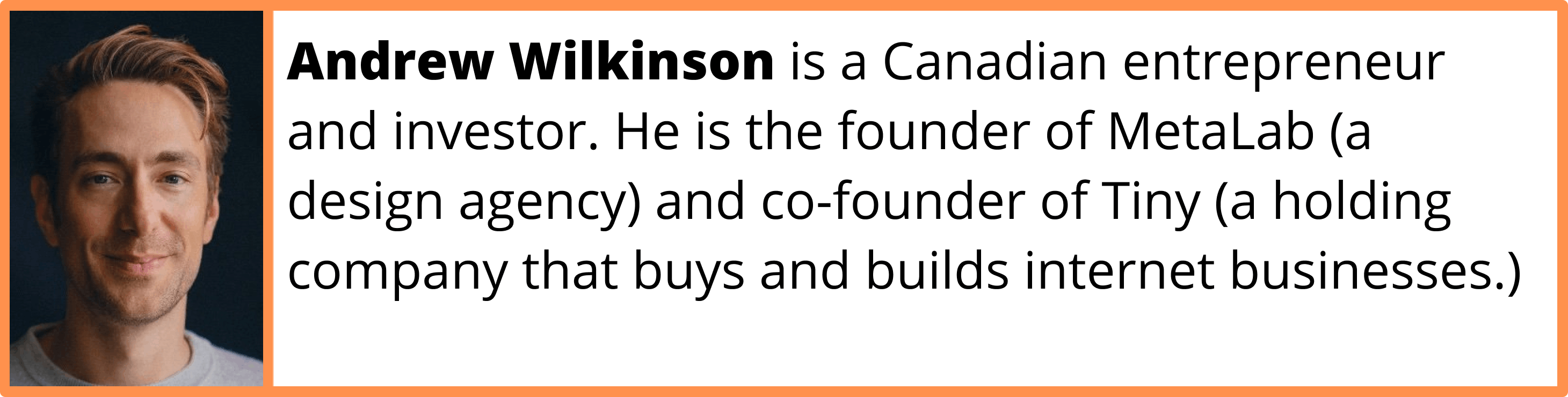
I just finished reading the book Never Enough: From Barista to Billionaire, written by Andrew Wilkinson.
It’s an auto-biographical book, and it’s packed with many lessons on life and business.
In today’s letter, I’m sharing with you one of my favorite lessons: Shoot for the Moon.
👤 Doers
💡Nugget
For context, Andrew was just a teenager when he learned this lesson. At the time, he and three other teenagers were running a website covering the latest news on Apple products.
🟠 Andrew Wilkinson:
The next summer, I sent a one-line email that would change my life.
I had saved up enough money to travel to Mecca for Apple nerds—the Macworld conference in New York—where Steve Jobs usually launched Apple’s new products. I sent an email to my contacts on the Apple PR team:
“I’m going to be at Macworld next week and was hoping to interview Steve. Possible?”
I knew this was bold. I was a nobody. Interviews were typically doled out to Newsweek and the Wall Street Journal, not tiny websites run by kids.
A few minutes later, I got a reply:
“Steve’s schedule is too hectic, but I can get you in for a group tour of the new Apple Store in Soho?”
I was shocked. I’d expected to get fully shut down or not even get a reply, and now I was getting a behind-the-scenes tour of their first ever Apple Store, which nobody had seen the inside of yet. While I was upset that I wouldn’t get to meet Steve Jobs, I realized something important. I had asked for something amazing and gotten something great in exchange. If I’d asked for a tour of the Apple Store, I probably would have gotten a “nice try, kid,” but by shooting for the moon and asking for something that was hard to give, I was met with a compromise that was better than I could have hoped for. It’s a strategy I went on to use throughout my career: there’s no harm in asking.
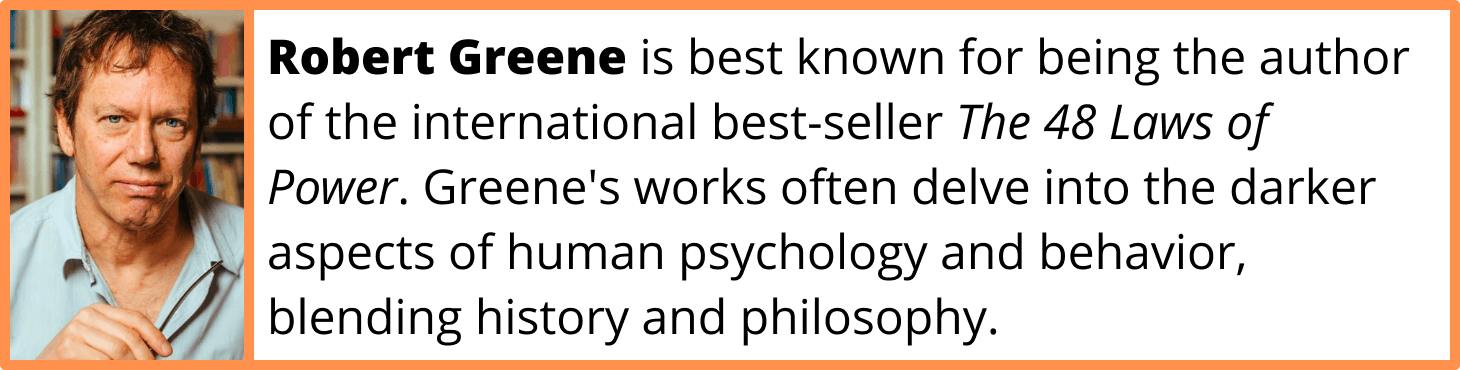
This idea of shooting for the moon reminded me a story about Cristopher Columbus that I read on the book The 48 Laws of Power, written by Robert Greene.
For context, Columbus had just married into an established Lisbon family that had excellent connections with Portuguese royalty. Here’s the story…
🟠 Robert Greene:
Through his in-laws, Columbus finagled a meeting with the king of Portugal, João II, whom he petitioned to finance a westward voyage aimed at discovering a shorter route to Asia. In return for announcing that any discoveries he achieved would be made in the king’s name, Columbus wanted a series of rights: the title Grand Admiral of the Oceanic Sea; the office of viceroy over any lands he found; and 10 percent of the future commerce with such lands. All of these rights were to be hereditary and for all time. Columbus made these demands even though he had previously been a mere merchant, he knew almost nothing about navigation, he could not work a quadrant, and he had never led a group of men. In short he had absolutely no qualifications for the journey he proposed. Furthermore, his petition included no details as to how he would accomplish his plans, just vague promises.
When Columbus finished his pitch, João II smiled: He politely declined the offer, but left the door open for the future. Here Columbus must have noticed something he would never forget: Even as the king turned down the sailor’s demands, he treated them as legitimate. He neither laughed at Columbus nor questioned his background and credentials. In fact the king was impressed by the boldness of Columbus’s requests, and clearly felt comfortable in the company of a man who acted so confidently. The meeting must have convinced Columbus that his instincts were correct: By asking for the moon, he had instantly raised his own status, for the king assumed that unless a man who set such a high price on himself were mad, which Columbus did not appear to be, he must somehow be worth it.

So this idea of shooting for the moon is highly effective because (1) it raises your own status and (2) makes the other person compromise in giving you something in-between what you asked (“the moon”) and what you actually expected.
This strategy can also be applied to goals in general. As Mathew McConaughey said in The Diary of a CEO Podcast:
“Shooting for an A and making a C, it’s better than shooting for a C and making an F.
So, go for perfection. Reality always comes in under it.” (Source)

💥 Stuff I Loved

My friend Dante just dropped this great vid!

I hope you enjoyed today’s letter!
Talk you soon,
Your nuggets friend Julio :)